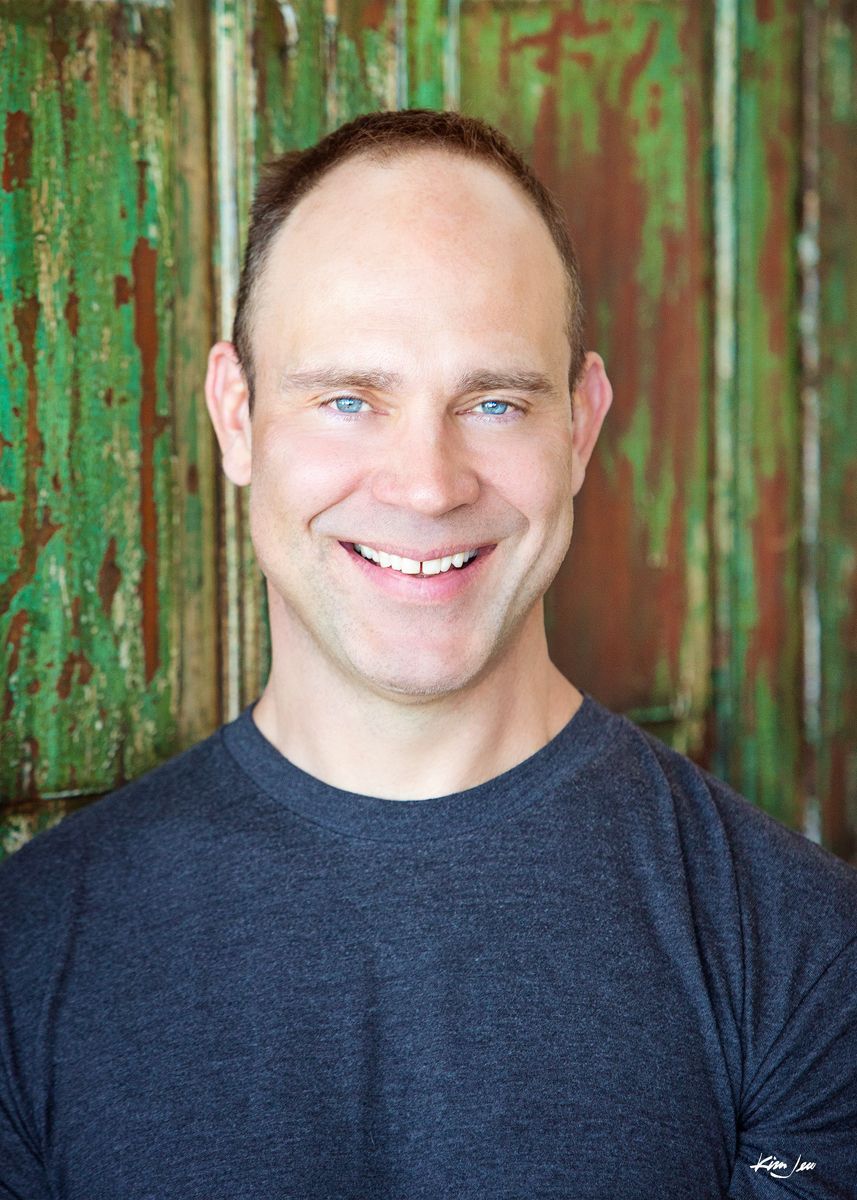
Rich O'Connor
I am a GYROTONIC® and GYROKINESIS® Specialized Master Trainer with over three decades of experience exploring, refining, and teaching movement. My career began in strength and conditioning in the mid-1990s, including work as an Assistant Strength Coach at Boston University and the founding of a high-school strength and conditioning program in Brookline, Massachusetts. From the beginning, my work has been driven by curiosity—how the body organizes itself, adapts, and becomes stronger through intelligent movement.
Over the years, I have taught and studied a wide range of exercise systems and martial arts, continually refining my personal practice and teaching approach. This wide-ranging background has deepened my curiosity and sharpened my ability to see movement as an evolving, living process rather than a fixed method. In recent years, my focus has centered on the principles of natural movement and long-term sustainability—how we move in ways that support strength, resilience, and longevity.
I began practicing the GYROTONIC® Method in 2002 and became a certified trainer in both GYROTONIC® and GYROKINESIS® in 2004. After advancing to Pre-Trainer in 2006, my role expanded into education and mentorship. I became a GYROKINESIS® Master Trainer in 2012 and a GYROTONIC® Master Trainer in 2013, a role that allows me to educate and mentor teachers while helping preserve the depth and integrity of the method.
A central and deeply rewarding part of my work is teaching and mentoring other GYROTONIC® trainers. I genuinely enjoy helping instructors refine their skills, clarify their understanding, and develop confidence in their own voice as teachers. My approach to mentorship emphasizes precision, curiosity, and thoughtful progression—supporting trainers in becoming not only technically strong, but also adaptable, perceptive, and sustainable in their long-term careers. Seeing teachers grow into their potential and pass the work forward with integrity is one of the most meaningful aspects of my role as a Master Trainer.
Equally important to my work is training everyday clients in private practice. I enjoy helping people experience movement as something engaging, exploratory, and enjoyable, rather than something to push through or fight against. My sessions emphasize working with the body—listening to it, organizing it, and allowing strength and mobility to emerge. With extensive experience in therapeutic movement, I make the GYROTONIC® Method applicable and approachable for people of all ages, bodies, and abilities, including those managing pain, injury, or long-standing movement limitations.
Alongside my GYROTONIC® work, I have continued to deepen my understanding of natural and functional movement, earning certifications in ChiRunning® and ChiWalking®, as well as MovNat® and Gold Medal Bodies, further informing my perspective on sustainable, whole-body movement.
In 2009, I opened my first studio, Laughing Buddha, which evolved into GYROTONIC® Albuquerque in 2014. That work expanded again in 2019 with the founding of The Movement Lab, a space dedicated to advanced movement education and teacher development.
Now based in Laguna Beach, California, I teach and conduct professional courses at The Movement Lab / GYROTONIC® Laguna Beach, where I also work one-on-one with everyday clients in private practice. Outside the studio, mountain biking, surfing, and playing music continue to inform my relationship with movement, keeping my teaching grounded, curious, and alive. My work is rooted in clarity, sustainability, and supporting the long-term growth of both, students and teachers.
GYROTONIC® Method
The GYROTONIC EXPANSION SYSTEM® is an innovative movement and rehabilitation method that draws inspiration from yoga, tai chi, and dance. Its circular and spiral patterns are designed to lengthen, strengthen, and mobilize the body with ease and intelligence.
GYROTONIC® training strengthens the body by integrating breath, rhythm, and full-body movement. This approach activates muscles in a natural, coordinated way, building strength that supports mobility, posture, and everyday movement.
For more than 30 years, creator Juliu Horvath has developed a complete system of flowing sequences offered through two complementary approaches: GYROTONIC® exercises, practiced on specialized equipment, and GYROKINESIS® exercises, performed on a mat or stool. The natural rhythm of the movements, paired with coordinated breath, helps improve strength, flexibility, efficiency, and balance throughout the whole body.
For more information, please visit the official website:
www.gyrotonic.com
Pilates
Pilates is not just about core strength—it’s about core integration. With consistent practice, Pilates can help improve posture, lengthen and balance the musculature, and build deep, functional strength that supports you in daily life.
At The Movement Lab, our instruction is rooted in the teachings of Marie-José Blom, emphasizing movement quality, intelligent preparatory work, and thoughtful modifications that make the Pilates method accessible and beneficial for a wide range of bodies and abilities. Pilates is a truly universal movement system—one that can enhance the quality of life for everyone.
Our fully equipped studio includes the Reformer, Cadillac, Wunda Chair, and more. All instructors are comprehensively trained across the full Pilates repertoire. With a focus on integrating the core and improving overall alignment, our team designs conditioning programs that are both safe and effective, helping you move better, feel stronger, and realize your full potential.
GYROKINESIS® Method
The GYROKINESIS® Method is a full-body movement system designed to support spinal health, mobilize the joints, and awaken the nervous system. Through rhythmic, spiraling, and wave-like sequences, students build functional strength, improve mobility, and develop better postural support. While it shares qualities with yoga, dance, and tai chi, GYROKINESIS® is a unique method with its own principles of coordination, breath, and mindful movement.
Classes are practiced on a mat and chair, without equipment, which allows students to rely more on their own body awareness. This helps improve proprioception, refine coordination, and create a deeper sense of internal connection.
The result is a movement experience that is intelligent, fluid, and accessible—supporting strength, mobility, and overall well-being for movers of all levels.
Small Group Personal Training
Learn Proper Lifting Techniques in a Supportive, Small-Group Setting
Join us for focused strength training using a combination of kettlebells, dumbbells, and bodyweight exercises.
Each small group is limited to 4 participants to ensure personalized attention and high-quality instruction.
You’ll enjoy the benefits of one-on-one personal training—at a fraction of the cost—along with the motivation and camaraderie that comes from training with a group. Our classes are designed to help you build sound technique, confidence, and real strength.
FAQ
1) Do I need to sign up for the full series?
Yes. Consistency is key for progress. You’ll track your weights and repetitions each week and see your strength improve over time.
2) What if I need to miss a week? Do you offer discounts or refunds?
We understand that life gets busy. Class pricing is already significantly discounted, so we’re unable to offer refunds for missed sessions. However, if an unexpected situation causes you to miss an extended amount of time, we’ll do our best to support you. A home-workout video option is also in development.
3) Can't I just lift light weights at home?
Having a home routine is wonderful—but to truly build strength, maintain muscle mass, and preserve bone density as we age, lifting heavier weights is essential. We’ll guide you safely using research-supported training methods.
4) What does a class include?
Each session incorporates four essential components:
- Mobility: Tissue and movement prep to ready the body, reduce injury risk, and support long-term joint health.
- Strength: Technique-first training with progressive resistance. Beginning around age 30, we lose about 1% of muscle mass per year—strength training can stop and even reverse this.
- Power: Jumping, kettlebell, and plyometric work. Power declines even faster than muscle mass, but targeted training restores it. Jumping is especially beneficial for preventing and improving osteopenia and osteoporosis.
- Down-regulation / Recovery: Breathwork and relaxation practices to support recovery and leave you feeling grounded after training.